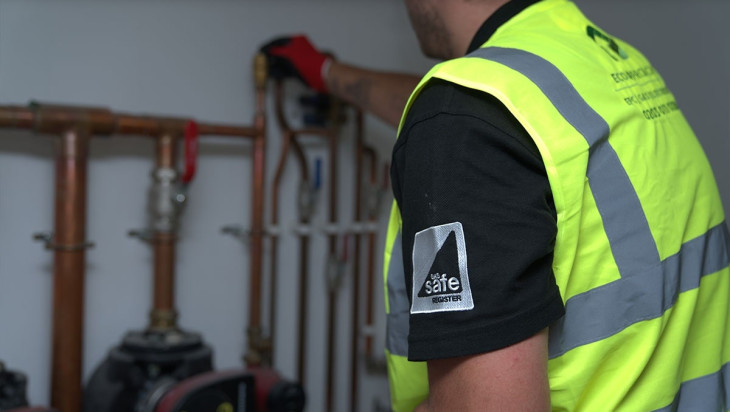
A boiler provides comfort by providing heating and hot water in the winter. It becomes even more important when the temperature drops below freezing. While a boiler helps homes withstand severe cold, it also needs protection against freezing in such conditions. When the temperature drops significantly, the water in the boiler and associated pipes is more likely to freeze, which may cause the heat exchanger to burst and other pipes to crack. Hence, the modern boilers are equipped with a self-safety mechanism, commonly known as frost protection.
Almost all modern boiler models, whether combi or regular, have an automatic protection system against water freezing. It is a built-in safety system that automatically triggers when the temperature drops below a certain degree. When the frost protection system is triggered, the boiler fires up, heats the water to a predetermined level, and then automatically turns off.
In this article, we will be discussing everything a homeowner needs to know about the boiler frost protection mechanism, why it is important, and how it works.
Boiler frost protection is a built-in safety system provided in most modern boilers. It can be found in almost all types of modern boilers, including combi and regular models. It is a safety system that activates automatically when the water temperature in the boiler drops near the freezing point. Typically, the frost protection system is set to activate when the temperature drops to 5°C (41°F). This threshold is set because water tends to freeze when the temperature drops below 5°C (41°F), which can cause internal components of the boiler, including the heat exchanger, to burst. Similarly, water in the pipes may freeze, causing cracks or bursts.
The frost protection system triggers the boiler to fire up, heating the water in the system. When it reaches a preset temperature, typically between 10°C and 15°C, the frost protection mechanism automatically turns off the burner to stop heating. This cycle continues to work, provided the gas and power are available. In some models, the frost protection mechanism also triggers the pumping of water into the pipes to keep them running and help prevent freezing.
IMPORTANT – The boiler frost protection mechanism is an entirely separate system that has nothing to do with the normal operation of a boiler, i.e., heating and supplying hot water. The boiler will continue to operate regardless of whether its frost protection mechanism is activated or deactivated.
Mainly, there are two different types of frost protection mechanisms provided with modern boilers in UK homes:
An internal frost protection system is built into the boiler itself. It is intended to protect the boiler's internal components. Hence, it can only protect internal components of a boiler against the chances of freezing in severe cold weather, whereas the external pipes are not protected by this system.
To protect the external pipework associated with the boiler, external frost protection is installed. It is simply a thermostat installed alongside the external pipework, which may sense the air temperature around it. These are often referred to as "Frost Thermostats". This system is not only effective at protecting exposed pipes but is also commonly installed when the boiler is located outside, such as in garages or lofts. The basic principle of its activation is the same as that of the internal frost protection system. The purpose is also the same: to maintain a certain temperature to avoid freezing of water in the boiler or pipework.
During the severe cold season, temperatures in most parts of the UK may drop below freezing. Although the weather generally remains mild, there is a risk that pipes and boilers, especially those installed outside in open areas such as garages, lofts, external cupboards, and utility rooms, may lack sufficient insulation.
Under these conditions, the boilers installed in uncovered areas and the external pipes are most likely to freeze. Apart from that, even boilers installed in a well-protected environment may freeze when the temperature drops too low. In any case, a frozen boiler or external pipework may result in:
· Burst pipes.
· Water leaks from the boiler system.
· Blockage of pipes.
· Bursting of the heat exchanger and other internal components.
· Absence of heating and no hot water in taps and showers.
Moreover, if any of the above happens, it may involve heavy repair costs. That's why modern boilers are equipped with a safety system, in the form of a frost protection mechanism. It helps homeowners avoid such issues, ensuring uninterrupted heating throughout the winter.
The mechanism of boiler frost protection comprises three main functions, as explained below:
1. Monitoring and Sensing Temperature – The frost protection system includes a temperature sensor. This sensor is designed for consistent monitoring of the boiler's internal temperature. Generally, the minimum temperature level is set at 5°C. When the temperature drops below this level, the frost protection mechanism is automatically triggered.
2. Activation of the System – Once the frost protection mechanism is triggered, the protection process automatically activates. It results in either turning on the burner for a short period or running the circulation pump. As a result, the water is warmed and pumped into the external pipework. Running the warm water across the boiler system protects it from freezing.
3. Maintaining Safe Temperature Limit – Once the frost protection mechanism activates, the boiler runs briefly to raise the internal water temperature to a preset safe level, typically between 10 and 15 °C. Once the required temperature is achieved, the system automatically turns off. This cycle repeats whenever the temperature drops below the safe threshold.
IMPORTANT – Contrary to a common misconception, the boiler frost protection mechanism continues to work even when heating is turned off, provided the boiler is switched on, and the gas supply is kept connected. If the boiler is powered off at the mains or the gas supply is disconnected, the frost protection system stops functioning. Hence, boiler engineers always recommend keeping the boiler switched on at all times.
A frozen condensate pipe is one of the most common issues with boilers during the winter season. But relating it to the frost protection mechanism is not true. A frozen condensate pipe cannot be avoided by the frost protection mechanism. It has no impact on the safety of the condensate pipe. To protect the condensate pipe against freezing, it must be properly insulated.
Essentially, almost all modern boilers have this system. If your boiler is newly installed or was installed within the last 10 years, it should be equipped with a frost protection system. To confirm further, contact a Gas Safe-registered engineer to check your boiler and confirm the system is in place.
Yes, it is highly important and recommended by experts to keep your boiler switched on throughout the winter season, even overnight. It is important to activate the frost protection system whenever required for the safety of your boiler.
No, it may help to protect the boiler itself, but the external pipework exposed to weather conditions might not be fully protected against freezing.
The impact of the frost protection system might be minimal because it uses gas for only a very short time.
Depending on the boiler's make and model, it may vary slightly, but it typically activates at 5°C.
The severe winter season might be a testing time for homeowners in the UK, in many ways. One serious issue is the risk of pipes and even the boiler freezing, especially when installed in exposed environments such as lofts and garages. To protect boilers from damage caused by freezing, they are equipped with a safety mechanism called a frost protection system.
The frost protection system is provided in almost all modern boilers, irrespective of make and model. This system is available on all types of modern boilers, including combi, system, and regular boilers. The purpose of this system is to protect the boiler from freezing. Hence, the system activates when the temperature drops below 5°C. It fires the boiler briefly to raise the internal temperature by 10-15 °C. Once the temperature rises to the desired level, the frost protection system automatically turns off. This mechanism keeps the water temperature inside the boiler well above the freezing point to keep it running.
Fill the required information to order a gas safety certificate instantly.

Are you curious about your Gas Safety Certificate? With these simple steps, learn how to check its status and ensure your peace of mind.

Find out why your boiler is vibrating loudly. Explore causes, troubleshooting tips, and the importance of prompt repairs for a quiet and efficient heating system at home.

Gas engineers perform a gas safety check to ensure your gas appliances are safe. Read to learn what more you can expect from the gas safety check.

Learn about the importance of gas safety certificates for landlords and the legal consequences of not having a valid certificate.
.jpg)
Know your tenant rights: How long can a UK landlord leave you without hot water? Stay informed, assert your rights.

Every landlord in the UK is legally bound to follow gas safety regulations as per the Gas Safety (Installations and Use) Regulations 1998.
Fill out the following enquiry form and we will contact you as soon as possible.


