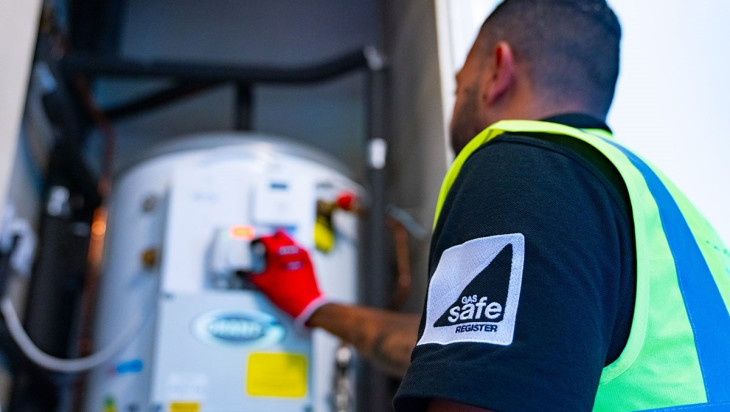
In UK homes, a boiler is one of the must-have items. It has been a mandatory component of home central heating systems for a long time. After the age of wood- or coal-fired boilers, and after the era of oil and electricity, modern boilers in the UK mostly run on gas today.
Beyond changes in fuel or energy sources, boiler technology has evolved significantly over the years. With the advent of modern technologies, almost all modern boilers are equipped with safety mechanisms that not only protect homes from potential damage but also prevent damage to the boiler's internal components. Whenever some internal or external fault occurs in the boiler, the safety system is automatically triggered, and the boiler is locked out.
Several faults can cause a boiler to auto-lockout, including power loss, gas supply interruption, thermostat error, low pressure, or other internal faults. In most cases, a boiler can be restored to service by using the reset option. Although modern boilers include a reset button, safely restarting a boiler requires considerable care and vigilance.
This blog will guide you through everything you need to know about how the reset option works, when you need to use this option, and, more importantly, how to reset your boiler safely.
When an internal safety mechanism automatically shuts down a boiler, it can usually be restarted using the "Reset" option. Boiler Reset is an option available in almost every modern boiler, whether it is a Combi or System Boiler. Resetting a boiler means rebooting the system to clear internal error codes.
An error code may appear when there is a problem with a boiler's operating system. When the boiler detects operational issues, such as ignition failure, low boiler pressure, overheating, a sudden power outage, or an internal sensor failure, it will shut down. In such an event, the boiler's safety system is triggered, which forces the boiler to lock out, and a relevant error code appears on the display panel. When it happens, the boiler can be restarted by pressing the "reset button".
In most cases, using the Reset Option can restore the boiler's operation after clearing the error codes; however, it may not work due to a more serious issue with the boiler’s control system. In that case, a Gas Safe engineer would be required to fix the fault.
When the reset button is pressed, the restarting option of the boiler is triggered, which makes the boiler perform the following operations:
If the boiler was shut down due to serious operational issues, it will not be restarted by pressing the reset button. The reset option clears the error codes and causes the boiler to attempt to reignite, but it does not fix the underlying fault. Even if the boiler restarts its operations by clearing the error codes, the underlying fault will remain there, for which you will have to call a Gas Safe-registered engineer to fix the actual fault.
Modern boilers provide indicators that alert users to the need for a reset. Some of the most common indications might be as follows:
Though the exact location of the Reset Button mainly depends on the make and model of the boiler, it can usually be found in the following locations on the boiler:
The reset option varies by manufacturer and model. Generally, it will be one of the following four types:
Generally, a boiler does not lock out unless there are some underlying faults in its operating system. Mostly, the boilers lock out when one or more of the following happens:
A boiler is designed to work uninterruptedly throughout the winter season. Under normal conditions, it operates normally, but sometimes it may automatically enter lockout mode. In most cases, this issue can be resolved by using the Reset option, which is available on most modern boilers. Although it is a simple process, it requires some experience and know-how to use this option. However, if the problem persists, you should not repeatedly select this option. It might be dangerous because a frequent lockout typically indicates an underlying fault in the boiler.
If your boiler has been turned off automatically, try resetting it once or twice. If it still turns off, do not repeatedly reset it; instead, call a Gas Safe-registered engineer to identify and fix the underlying issue.
Fill the required information to order a gas safety certificate instantly.

Are you curious about your Gas Safety Certificate? With these simple steps, learn how to check its status and ensure your peace of mind.

Find out why your boiler is vibrating loudly. Explore causes, troubleshooting tips, and the importance of prompt repairs for a quiet and efficient heating system at home.

Gas engineers perform a gas safety check to ensure your gas appliances are safe. Read to learn what more you can expect from the gas safety check.

Learn about the importance of gas safety certificates for landlords and the legal consequences of not having a valid certificate.
.jpg)
Know your tenant rights: How long can a UK landlord leave you without hot water? Stay informed, assert your rights.

Every landlord in the UK is legally bound to follow gas safety regulations as per the Gas Safety (Installations and Use) Regulations 1998.
Fill out the following enquiry form and we will contact you as soon as possible.


