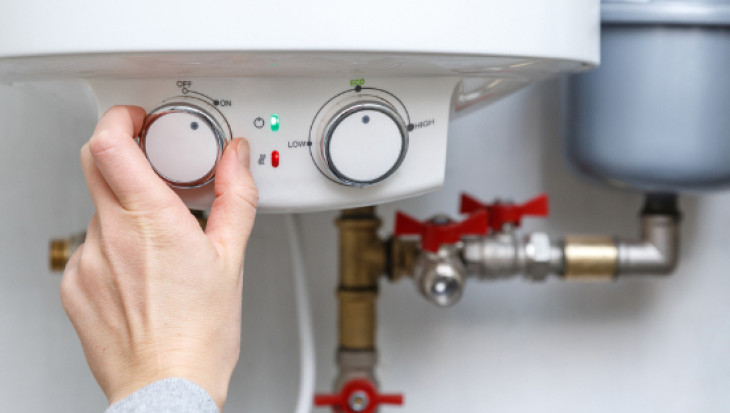
Gas is an essential part of our life. Gas is supplied to homes under two arrangements. The first and most used method is natural gas supplied through pipelines. Another lesser-used option is through LPG cylinders.
In the UK, around 90% of homes have the facility of natural gas supplied through pipelines. Gas is used in homes for various purposes, such as cooking and heating. For this purpose, various appliances are used in homes. Although it is quite safe to use gas in homes, some potential risks and threats are associated with gas usage, especially gas appliances.
To avoid these risks and threats, you must know some basic gas safety tips.
A gas safe register is an official body that governs the UK's rules and regulations about the usage and businesses related to gas. This was launched in 2009, replacing the previous organization known as CORGI.
This body is responsible for the registration of qualified gas safety engineers. So, you must ensure that your gas engineer is officially registered with the gas safe register. Go to the gas safe register's website and search for your engineer's license number. If the engineer is not on the official list of qualified engineers, don’t allow him to work.
If you are a homeowner, you must obtain a gas-safe certificate from the registered gas engineer listed on the gas-safe register. Being a homeowner, you have certain responsibilities. Check for your responsibilities at the Gas Safety Responsibilities of a Landlord.
The engineer will visit your home and check all gas fittings and appliances installed there. If any fault is detected, he will get it repaired. Once the inspection and repair work, if required, is done, he will give you a gas-safe certificate in a few days.
This certificate is valid for one year. You are bound by the law to show this certificate to the intending tenant of your home if you need to rent out your property.
Carbon monoxide, more commonly known as CO, is the biggest threat. This gas is generated due to faulty or incomplete burning of natural gas. CO is a colorless gas, having no smell. This makes it even more dangerous.
Common symptoms of carbon monoxide poisoning are dizziness, nausea, headaches, and chest pain. You may also experience general weakness when affected by CO. When using natural gas in your home, you must install a carbon monoxide alarm. Get it installed in every room of your house. This audible device sounds a beep when the CO crosses the danger level.
As a general precaution, you must get your gas appliances regularly checked and serviced by a registered qualified gas engineer.
Normally it doesn’t happen, but it is not out of the question. Maintenance of gas appliances is the most important factor over here. Gas can leak from any home appliances and fittings. Gas appliances may develop leaks with the passage of time.
Natural gas is odorless, but for the safety of gas users, a chemical is mixed in it, which gives a smell like rotten eggs. This is done to make it easier for the users to detect any gas leakage in their homes. If you detect any such leakage, call the gas engineer immediately to fix the problem to avoid any possible fire threat.
For more details, you may refer to Homeowners Gas Safety Certificate.
As a routine practice, annual checking and servicing of all gas appliances is a must. This will ensure the safety of the lives of your tenants and your property. This is also your legal responsibility. But it is not a one-time exercise. Your tenant must closely watch all appliances used in a home. .
In case of any fault, it must be got fixed by a qualified and registered engineer. You must also be aware of the functioning of home gas appliances. If there is any abnormal sound or any unusual behavior of any gas appliances, call the engineer and get it checked and repaired. .
Another good piece of advice to keep your home safe from any possible risk is to use the appliances only for the purpose for which they are made. For example, don’t use a hob for warming the room; it is meant for cooking.
Vents and chimneys are always prone to blocking and choking. Choking of vents is one of the leading causes of Carbon monoxide poisoning. It is important that you check vents and chimneys regularly for any blockage. Keep them clean and ensure that they are evident.
You may encounter an emergency despite every precautionary measure and regular checking of your gas appliances. Gas may start leaking from any gas fittings or appliances. Don’t panic in any such situation. Be careful and cautious
First of all, you must shut down the main supply of gas. A valve is normally installed at the entry point of the gas pipeline. Immediately shut this valve. Open all ventilation points, like windows and doors. If possible, also shut down the electricity supply. If not, don’t use electric switches, as they may cause a fire
Now call the gas safety engineer and get all appliances checked for any fault or leakage. Get them repaired. Once this important check is carried out, you can use gas safely.
While using natural gas in homes is safe, it may carry a few risks simultaneously. So, it is essential to have complete knowledge of these possible threats. Gas safety maintenance is important while having gas appliances at your home
Also, know your responsibilities as a homeowner and as a tenant. Getting a gas-safe certificate is most important. It is the responsibility of the landlord to obtain it. Tenants must ask the owners to show this certificate.
Being a tenant, it is your responsibility to keep a watch on the performance and functioning of gas appliances. In case of any fault is observed, the same must be fixed immediately.
Ensure all possible safety measures so you can use natural gas safely in your homes.
Fill the required information to order a gas safety certificate instantly.

Are you curious about your Gas Safety Certificate? With these simple steps, learn how to check its status and ensure your peace of mind.

Find out why your boiler is vibrating loudly. Explore causes, troubleshooting tips, and the importance of prompt repairs for a quiet and efficient heating system at home.

Gas engineers perform a gas safety check to ensure your gas appliances are safe. Read to learn what more you can expect from the gas safety check.

Learn about the importance of gas safety certificates for landlords and the legal consequences of not having a valid certificate.
.jpg)
Know your tenant rights: How long can a UK landlord leave you without hot water? Stay informed, assert your rights.

Every landlord in the UK is legally bound to follow gas safety regulations as per the Gas Safety (Installations and Use) Regulations 1998.
Fill out the following enquiry form and we will contact you as soon as possible.


